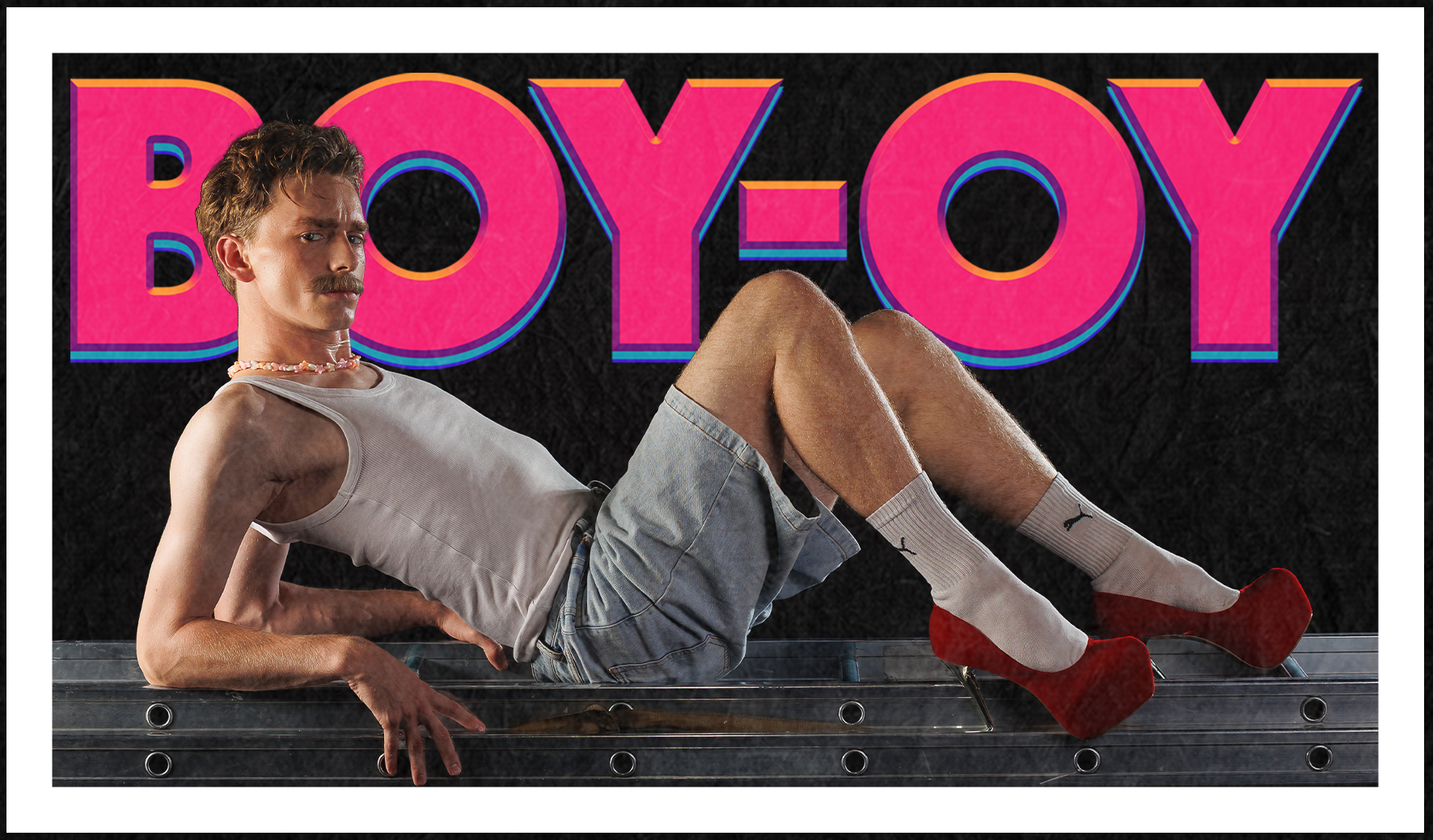
BOY–OY
 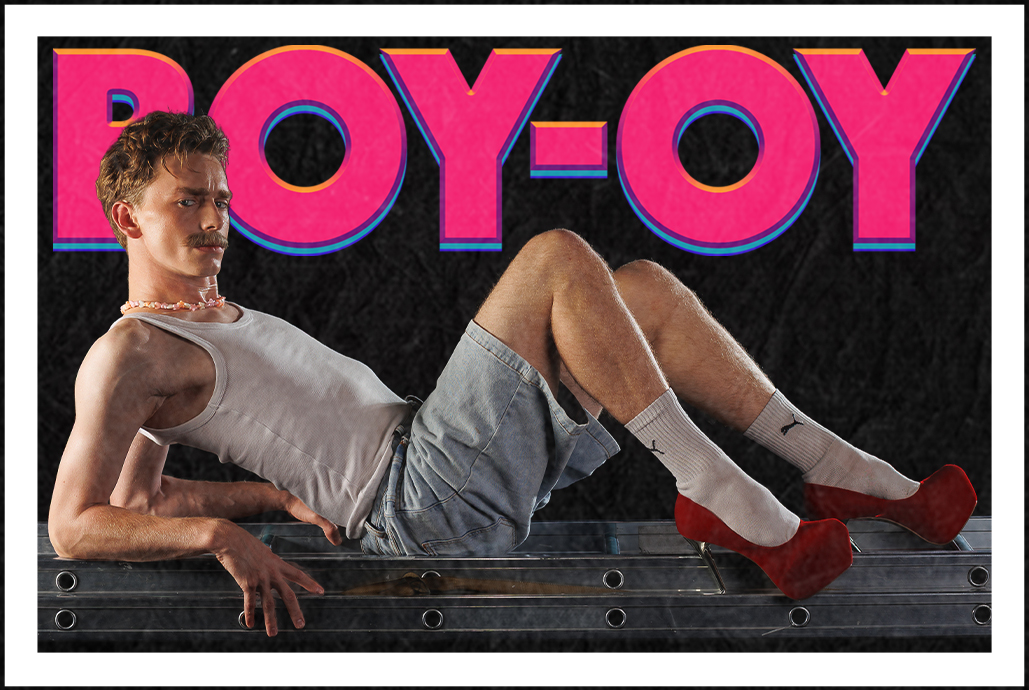 Plakāts: Marianna Lapiņa
.jpeg)
.jpeg)
.jpeg)
.jpeg)
.jpeg)
.jpeg)
.jpeg)
.jpeg)
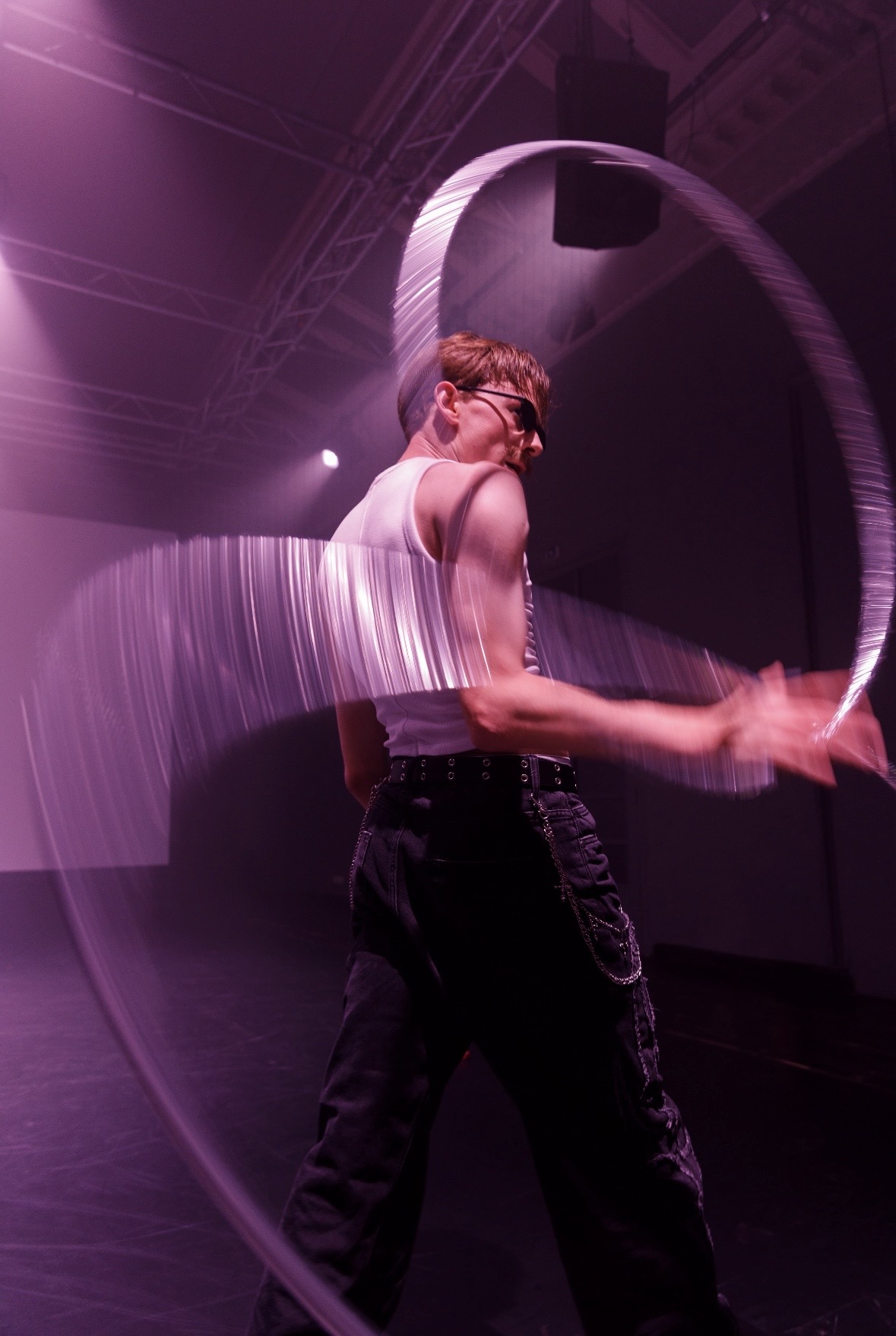
BOY–OY
A drama about life
Creator, choreographer and performer: Vladimirs Goršantovs
Dramaturg: Andrejs Jarovojs
Costume and set designer: Marianna Lapiņa
Composer: Ernests Valts Circenis
Lighting designer: Reinis Zalte
Visual identity: Kaspars Zborovskis, Marianna Lapiņa
Makeup artist: Dārta Ašmane
Video projections: Marianna Lapiņa, Dāvis Kristaps Aigars
Produced by: Ģertrūdes ielas teātris
Supported by: SIXTH, TUVUMI
Premiere: 14/10/2026
Duration: 50 min
Financial support by: State Culture Capital Foundation, Riga City Council
Please note! The performance includes smoking, stage smoke, loud music, and the use of a telescope.
Venue details:
Ģertrūdes iela 101a

Venue details
Description
Hide descriptionHe will be born a boy.
He will be given a name.
He will be taught how to be a man.
He will want to wear high heels.
They will say
– OY
Boys don't cry. Boys don't complain. Boys have proper jobs. Boys earn money. Yes, boys take risks. Boys protect their families. No, boys don't talk about their emotions. Boys keep their word. Yes, boys drink and cheat. Boys go to war. Boys become men. Yes, boys argue. Boys become fathers. Yes, boys use their strength. Boys teach other boys how to be boys. OY.
In 1999, a boy is born. OY. He grows up in a family with its own values and traditions. In his family, politics and religion are open for discussion, but fear, love, loneliness and other emotions are not. Talking to the television is easier than talking to those closest to you.
The boy is born at a time when presidents are changing in russia. He has never been there, yet the neighbouring country has almost become another member of the family. As the boy grows up, he gradually realises that his family's values do not always align with his own desires and feelings. Does leaving your family mean running away? Yes, boys don't run away. Is it better to keep quiet and stay? Yes, boys don't complain.
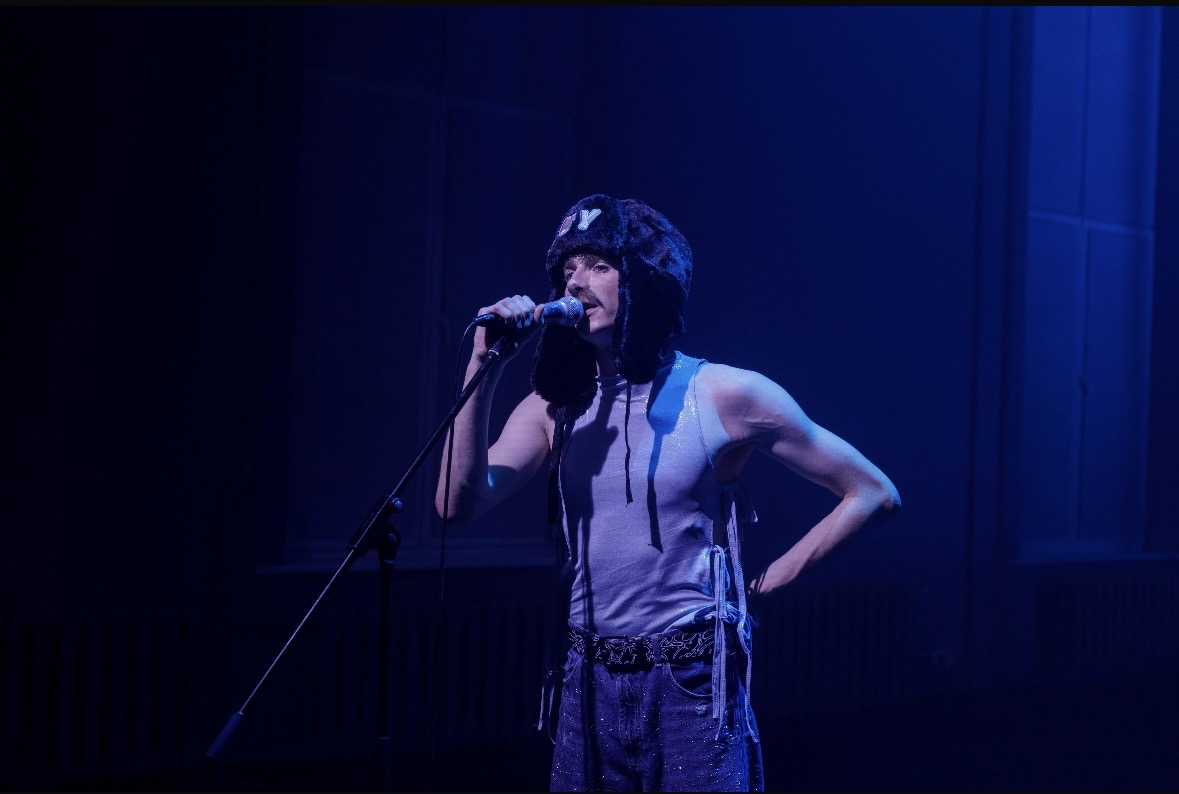
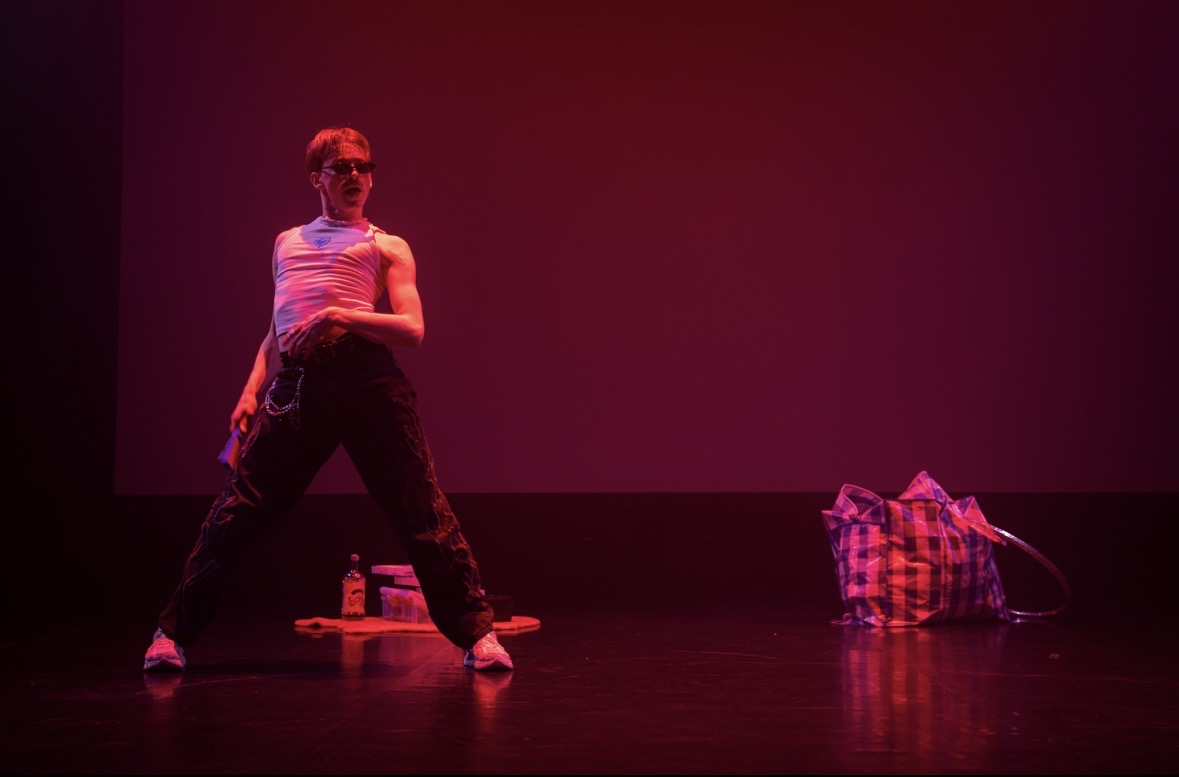
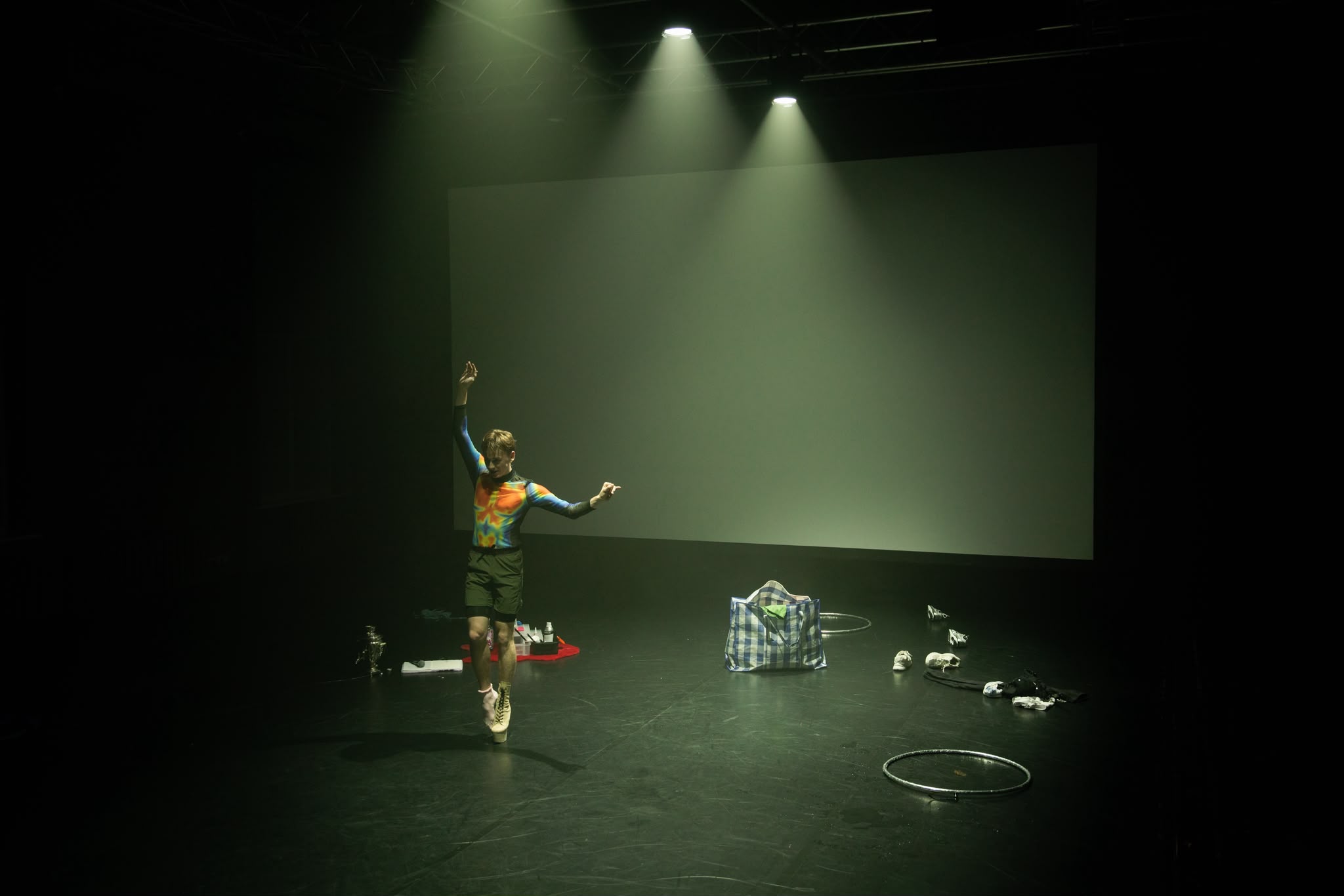
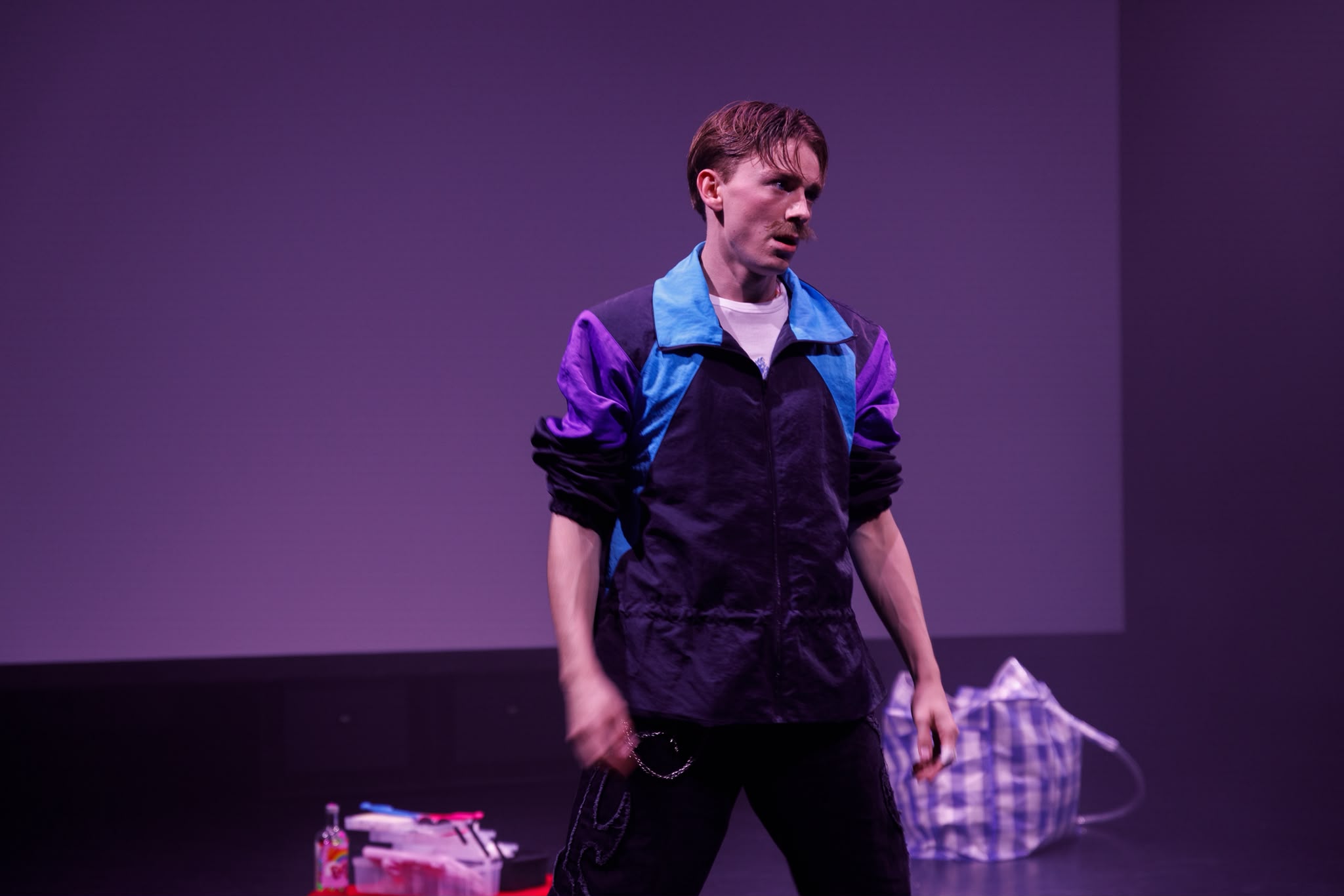
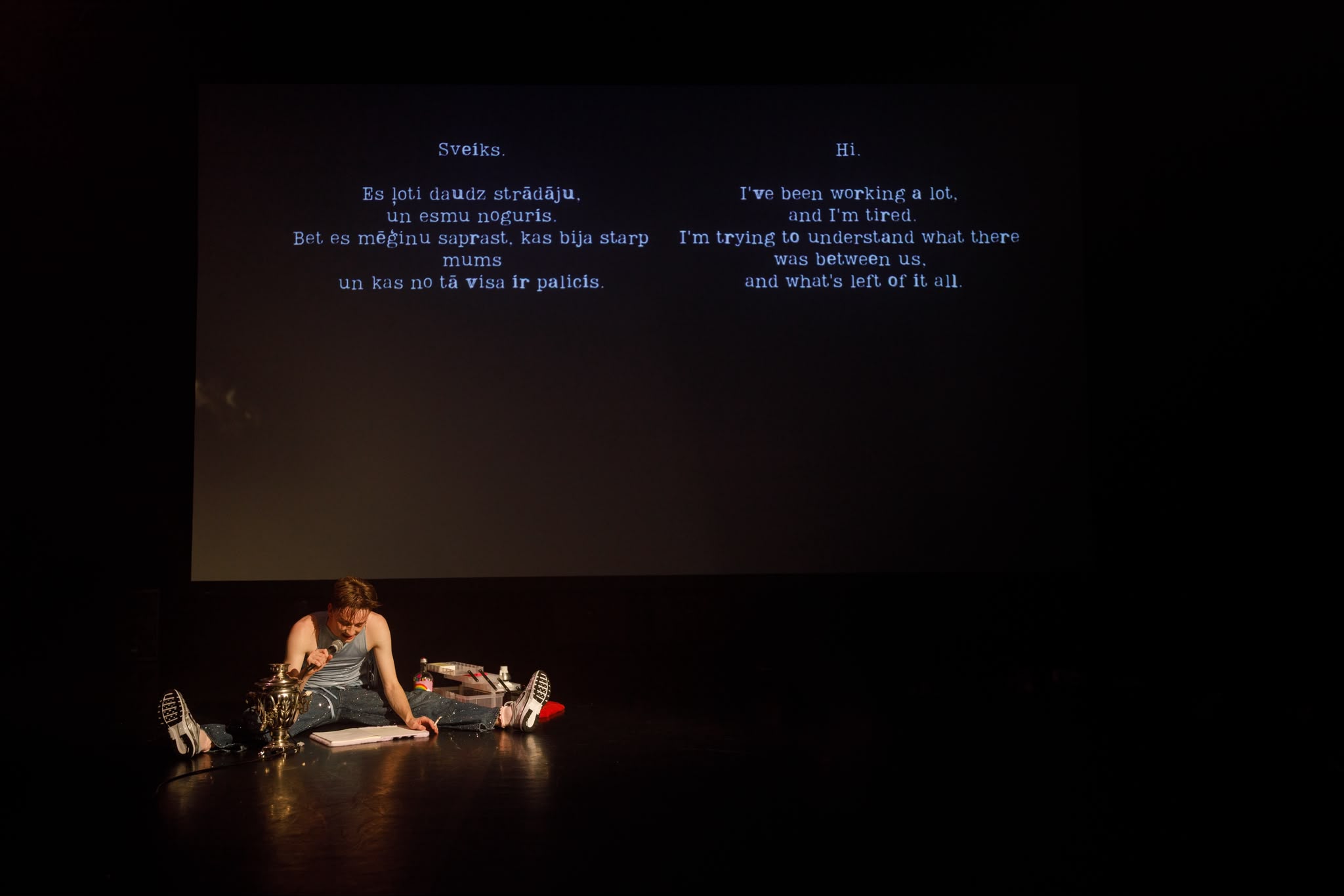
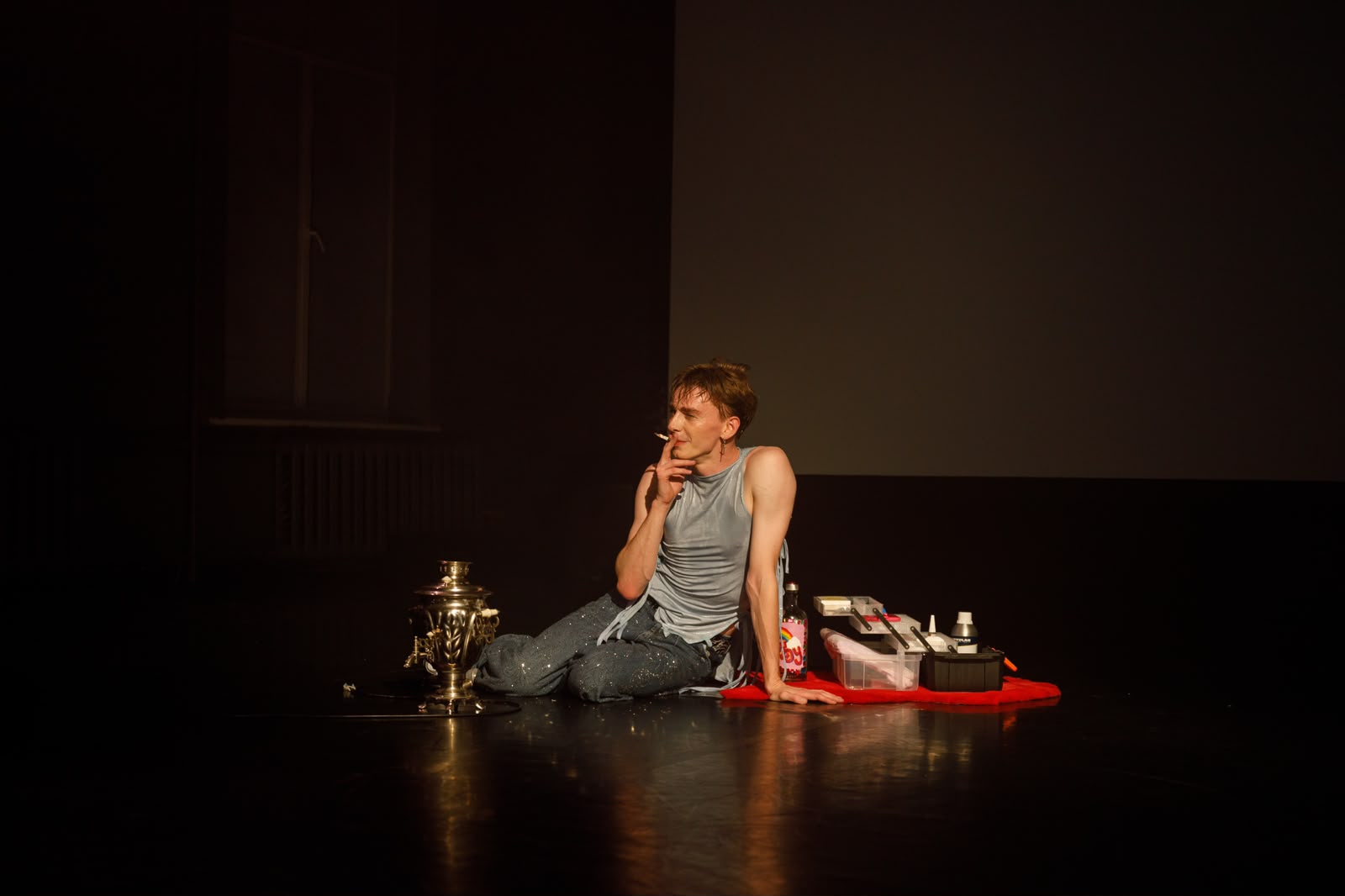
“BOY–OY” is an autobiographical performance by choreographer Vladimirs Goršantovs about growing up, family stories and memories passed down from generation to generation. Through movement, the performance brings the feminine and the masculine into dialogue, exploring the intersection between inherited family ideas of masculinity and personal experience.